
Nexxen standardized Smart TV home screen ad specs across OEMs, simplifying programmatic buying across V, TCL and TiVo.
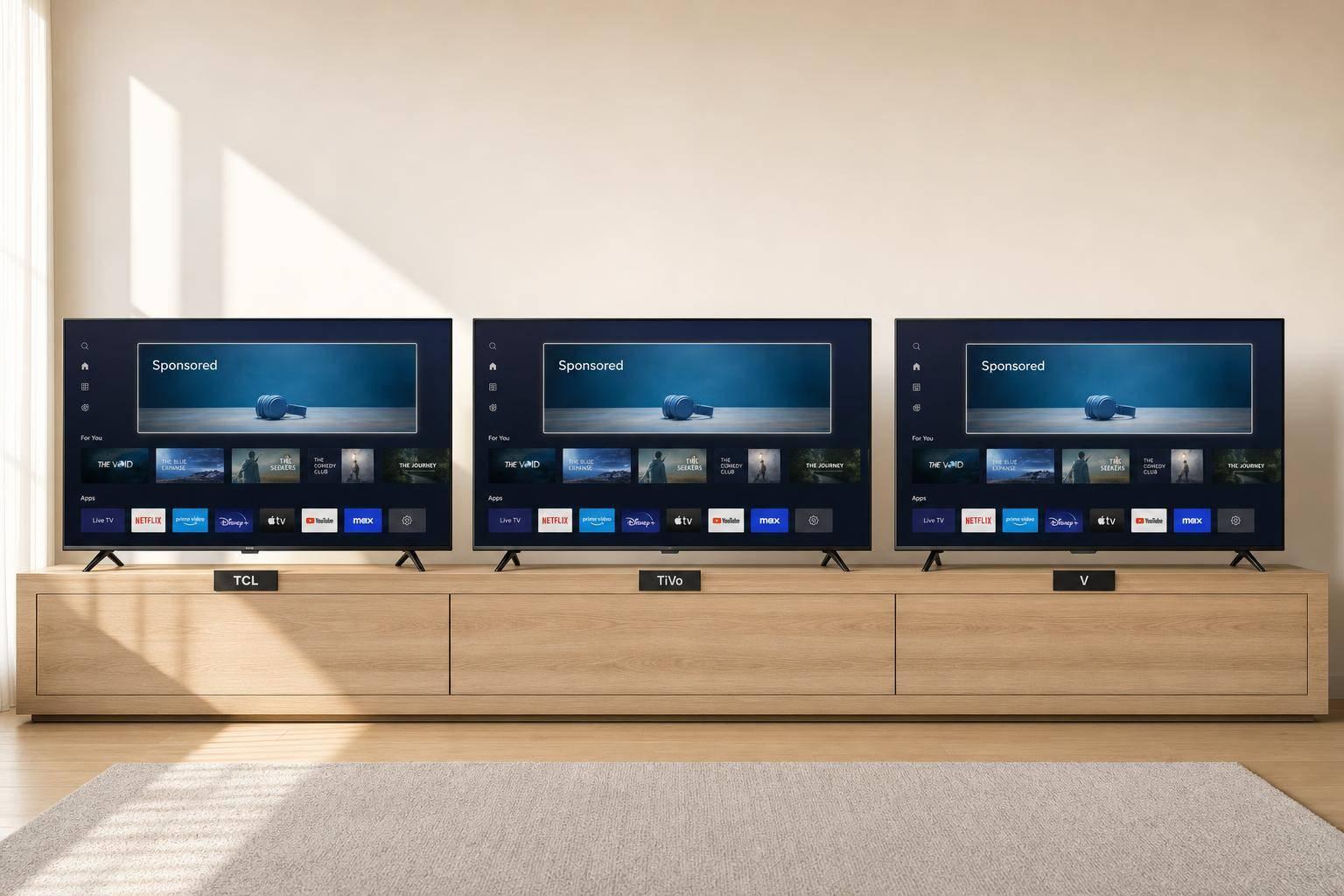
Nexxen said it has standardized Smart TV home screen advertising specifications across the OEM inventory connected to its platform, creating a single format for placements sold through TCL, TiVo Ads and V. The move is aimed at replacing the mix of ad sizes, formats and click actions that previously varied by manufacturer.
For buyers, the change targets one of connected television's most visible ad surfaces: the home screen viewers see when a smart TV turns on. According to Nexxen, those placements have become difficult to scale programmatically because each OEM used different technical requirements. Under the new structure, demand-side platforms and advertisers can in principle activate one creative format across the participating OEMs instead of building separate versions for each one.
Nexxen described the update as a common technical framework for home screen inventory across the OEMs that supply Nexxen TV Home Screen. The company said the standardized request structure is intended to let DSPs and buyers bid programmatically using one format rather than several.
The standardization applies to OEM partners including V, TCL and TiVo Ads. On the buying side, Nexxen said partners using the product include The Trade Desk, Google Display & Video 360, StackAdapt, Basis, Brainlabs and H/L.
Kara Puccinelli, Chief Commercial Officer at Nexxen, tied the change to the company's broader home screen strategy. "From the beginning, our goal with Nexxen TV Home Screen has been to transform the home screen from a fragmented media environment into a scalable, performance-driven channel for the industry", she said. "By standardizing these formats across OEMs, it's another major step toward a more streamlined cross-platform ecosystem that better enables buyers, DSPs and brands alike."
Nexxen said the technical approach relies on dynamic creative optimization through Nexxen Studio, its in-house creative team. Instead of asking advertisers to produce separate assets for each manufacturer's dimensions and interaction rules, the framework is designed to adapt a single creative source across different device-level formats.
The company positioned that as a way to reduce the operational burden created by years of fragmented home screen specifications.
Nexxen's push into programmatic home screen advertising began with a multiyear agreement with V, formerly VIDAA, as its initial supply source. On April 22, 2026, H/L became the first organization to buy this inventory programmatically through Nexxen DSP using private marketplace deals.
TCL FFALCON and TiVo Ads were added on May 13, 2026, when Nexxen expanded Nexxen TV Home Screen beyond its original VIDAA-powered footprint. The August 20, 2026 announcement standardized the format across those supply relationships.
The company said home screen inventory carries unusually high attention because it appears before a viewer selects an app or content. Industry figures cited in Video Advertising Bureau analysis put home screen advertising on 95 percent of United States connected televisions at switch-on, up from 50 percent in 2020.
The announcement did not spell out whether existing Nexxen DSP contracts automatically include the standardized specification or whether buyers need to make any technical changes. It also did not disclose pricing, floor structures, minimum spend requirements, or a rollout date for all listed OEM partners.
The release further did not say whether the standardization applies retroactively to campaigns already running through Nexxen TV Home Screen or only to new activations.
The standardization arrives after a period of product expansion and financial growth for Nexxen. The company reported record first-quarter 2026 results on May 13, 2026, with programmatic revenue of 81.9 million dollars, up 14 percent year over year, and connected TV revenue of 29.4 million dollars, up 12 percent. Contribution ex-TAC reached 84.5 million dollars, up 13 percent, and full-year 2026 guidance was raised to a range of 382 to 397 million dollars in Contribution ex-TAC and 374 to 388 million dollars in programmatic revenue.
In its Annual Report on Form 20-F filed on March 4, 2026, Nexxen reported full-year 2025 programmatic revenue of 340.6 million dollars and cash of 133.3 million dollars.
The company has also expanded the data and platform infrastructure around its CTV business. It renewed and expanded its partnership with VIDAA in August 2025, investing an additional 35 million dollars to bring its total investment to 60 million dollars, representing approximately 6 percent of VIDAA's outstanding shares. That agreement secured exclusive global access to VIDAA's automatic content recognition data alongside exclusive North American ad monetization rights through at least the end of 2029.
Even with the new format, the standardization is limited to the OEM relationships Nexxen controls directly. The source article noted that buyers working across Nexxen-connected inventory and home screen inventory sold through other platforms would still need to manage differences across those separate technology stacks.
Need pricing details?
EnrouteViewMedia is a Canadian technology company based in Edmonton, Alberta, Canada. The company was founded by a group of media entrepreneurs and engineering executives. Our mission is developing leading-edge digital media display technologies for taxicab rooftops and taxicab interiors advertising market. Through our easy to use ad delivery and management system, we assist our clients in reaching their customers with targeted exposure. EnRouteViewMedia continuously strives to be the global leader in digital geo-time targeted advertising media systems for modern taxi fleets.